The Varanasi - Bharat /India A Guide for Foreign Tourist
Explore Varanasi safely with our essential guide for foreign tourists. Master local etiquette, avoid common scams, and experience the spiritual magic of the Ganges River and ancient alleys comfortably. Your perfect trip starts here.
By FastDrop Team··7 分で読了· 31 viewsVaranasiSafetyIndiaForeigners
The Infinite Pulse of Varanasi: A Guide to India’s Spiritual Heart
Navigating Kashi with reverence and clarity. A practical, deep-dive guide for the mindful traveler seeking the eternal rhythm along the sacred Ganga.
By Ananth Dev Verma
14 Min Read
"Kashi is older than history, older than tradition, older even than legend, and looks twice as old as all of them put together." This observation, often credited to Mark Twain, captures only the physical veneer of Varanasi. To truly enter this city is to step outside of linear time altogether.
Known natively as Kashi (the City of Light) or Varanasi (named after the Varuna and Assi rivers that bound its ancient borders), this is the living heart of Hindu cosmology. It is the sacred playground of Shiva, where life and death dance openly on the banks of the River Ganga. For the international traveler, it can be an overwhelming sensory assault. Yet, when approached with the right internal orientation and practical preparation, Varanasi reveals itself as an incredibly structured, profoundly peaceful, and transformative experience.
At FastDrop, our mission is to ensure your journey through India's spiritual landscapes is both deeply authentic and flawlessly secure. This guide serves as your logistical anchor and cultural compass to navigating the world's oldest living city.
The Topography of the Sacred: Understanding the Ghats
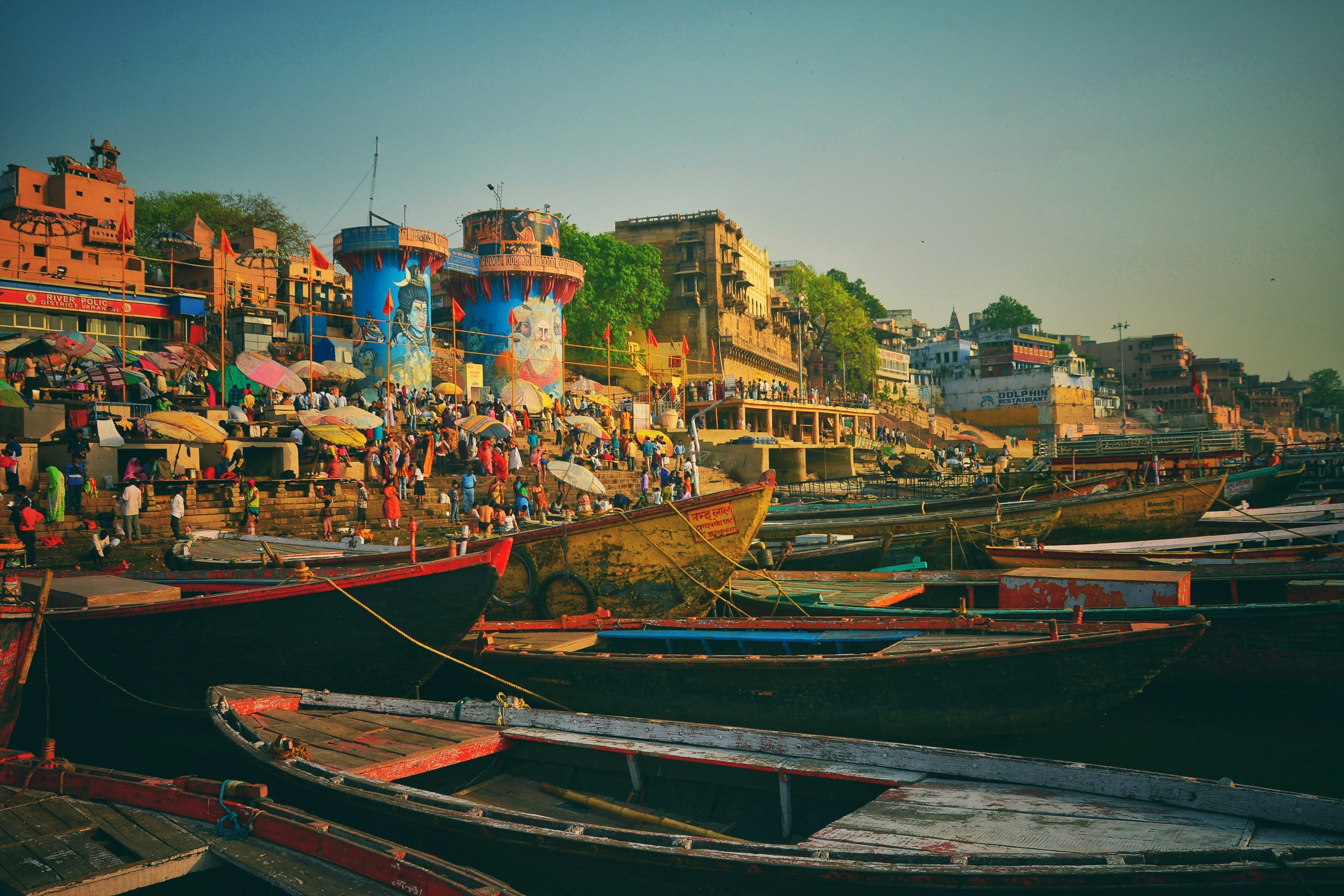
The spiritual life of Varanasi is centered entirely around the ghats—the stone stairways that line the western bank of the Ganges. There are over 84 distinct ghats, each possessing its own specific energy, mythological history, and daily ritual purpose. Understanding this geography is essential for organizing your days.
Dashashwamedh Ghat
The central, most vibrant hub of Varanasi. This is where Lord Brahma is said to have sacrificed ten horses in a primordial ritual. It is the epicenter of the nightly Ganga Aarti and offers an unmatched view of the city's chaotic, joyful spiritual devotion.
Manikarnika Ghat
The main cremation ghat. Here, the funeral pyres burn 24 hours a day, 365 days a year. It is a place of profound solemnity, serving as a visceral reminder of mortality and the ultimate liberation (Moksha) from the cycle of rebirth.
Assi Ghat
Situated at the far southern end, Assi Ghat is a cleaner, more spacious area favored by long-term pilgrims, artists, and scholars. It is the best place to experience the peaceful morning rituals known as Subah-e-Banaras.
Scindia & Chet Singh Ghats
Architectural wonders. Scindia features a partially submerged Shiva temple tilted under its own weight, while Chet Singh is a fortified ghat that witnessed a historic battle against British forces in 1781.
To experience the ghats correctly, plan to walk them during the early hours of dawn (5:30 AM to 7:30 AM) when the light is golden and the air is comparatively cool. Start from Assi Ghat and walk northwards toward Dashashwamedh to observe the awakening of the city.
The Nightly Symphony: Witnessing the Ganga Aarti
Every single evening, as twilight settles over the river, a highly synchronized ritual of light, sound, and devotion unfolds at Dashashwamedh Ghat. The Ganga Aarti is an offering of gratitude to Goddess Ganga, performed by young priests clad in traditional dhotis and stoles.
The performance involves massive brass lamps, incense, the blowing of conch shells, and the rhythmic chanting of thousands of devotees. The sensory impact of this event is profound. To witness it comfortably and respectfully, we recommend securing a spot early.
The evening Ganga Aarti at Dashashwamedh Ghat—a mesmerizing display of light, synchronized prayer, and centuries-old tradition.
Practical Strategies for the Aarti
You have two primary options for viewing the Aarti: from the steps of the ghat itself or from a wooden boat on the water.
From the Steps: Arrive at least 45 minutes prior to sunset to claim a seat on the stone steps. Be prepared for tight crowds. Keep your personal belongings securely zipped in front-facing daypacks.
From a Boat: Hire a traditional rowboat. This offers a panoramic view from the water, looking back toward the brightly illuminated ghats. Always pre-negotiate the price before stepping onto the boat, or let your FastDrop guide handle the boatman directly to prevent inflated tourist pricing.
The Sacred Labyrinths: Navigating the Galis
Away from the open riverbank lies a completely different universe: the Galis. These are the ancient, incredibly narrow alleyways that form the residential and commercial backbone of old Varanasi. Some are so narrow that two people cannot walk abreast, and sunlight rarely hits the stone floor.
In these alleyways, you will encounter stray cows moving with absolute calm, tiny shrines embedded into walls, sweet shops frying fresh jalebis, and workshops weaving world-famous Banarasi silk. It is very easy to get lost here—in fact, getting lost is part of the initiation. However, navigating them safely requires a unique set of skills.
Cultural Rule of Thumb
In the narrow galis, pedestrians, livestock, and motorbikes share the exact same space. Always yield the right of way to cows; they are sacred residents of the city. If you hear a motorbike honking behind you, step tightly into a shop alcove to let them pass.
The Kashi Vishwanath Temple
Deep within these alleys sits the Kashi Vishwanath Temple, the spiritual epicenter of the city containing one of the twelve sacred Jyotirlingas of Lord Shiva. The temple security is exceptionally stringent. International visitors must carry their original passports and undergo detailed security screenings. No electronics, bags, or metal items are permitted inside; these must be kept in secure lockers outside the temple complex.
The Culinary Legacy: Street Food and Traditional Flavors
Varanasi’s food culture is intrinsically tied to its spiritual life. The cuisine is completely vegetarian, deeply satisfying, and rich with regional spices. To truly experience Kashi, you must look past conventional restaurants and sample its legendary street food.
Dish Name
Key Ingredients
Best Time to Try
Recommended Location
Kachori Sabzi
Flaky fried bread, spicy potato curry, black chickpeas
A Note on Water Safety: While the street food is delicious, international digestive systems require time to adapt. Ensure that you only consume street food that is cooked piping hot right in front of you. Stick to bottled, sealed mineral water or reverse-osmosis filtered water provided by verified locations at all times.
Practical Travel Tips & Safety Guidelines
Varanasi can be intensely rewarding, but it demands street-smart awareness. Use these vetted guidelines to ensure your journey is seamless and stress-free.
1. Dealing with Aggressive Touts and Fake Guides
As you walk the ghats, multiple people will approach you offering boat rides, temple tours, or access to special viewing platforms. Many are unregistered commission agents. Politely but firmly say "Nahi, Dhanyawad" (No, Thank you) and keep walking without breaking your stride. If you require a guide, ensure they possess an official license from the Ministry of Tourism, or use FastDrop’s pre-vetted local experts.
2. Photography Etiquette at the Cremation Ghats
Photography is strictly forbidden at Manikarnika Ghat and Harishchandra Ghat (the cremation grounds). It is considered a profound violation of privacy and a desecration of sacred funerary rites. Keep your cameras and phones inside your pockets out of respect for grieving families. If anyone offers to let you take a photo in exchange for money, refuse immediately—it is a common scam.
3. Dress Code and Cultural Sensitivity
Varanasi is a deeply conservative spiritual center. Both men and women should dress modestly. Keep shoulders and knees fully covered. Loose, breathable cotton clothing is ideal. Always remove your footwear before entering any temple space or residential home.
Journey Securely with FastDrop
Ready to witness the eternal spirit of Kashi without the logistical stress? FastDrop offers thoroughly vetted, verified transportation links, English-speaking local guides, and 24/7 security monitoring for your journey across Bharat.